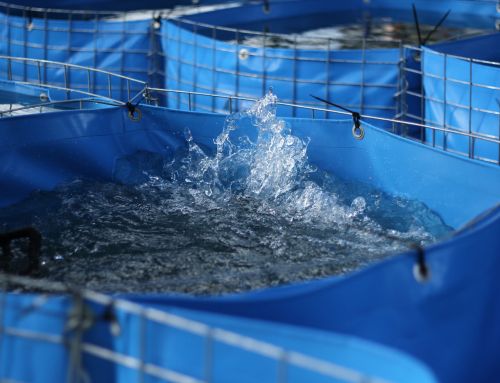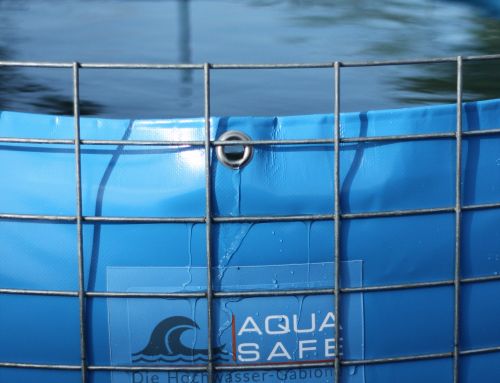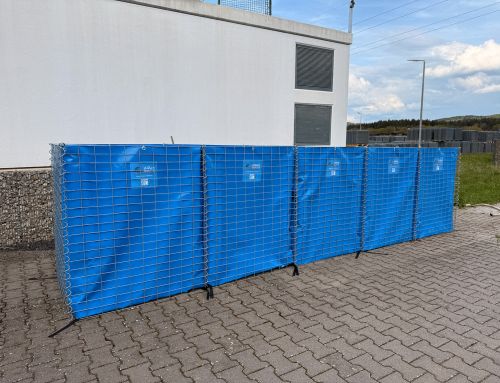
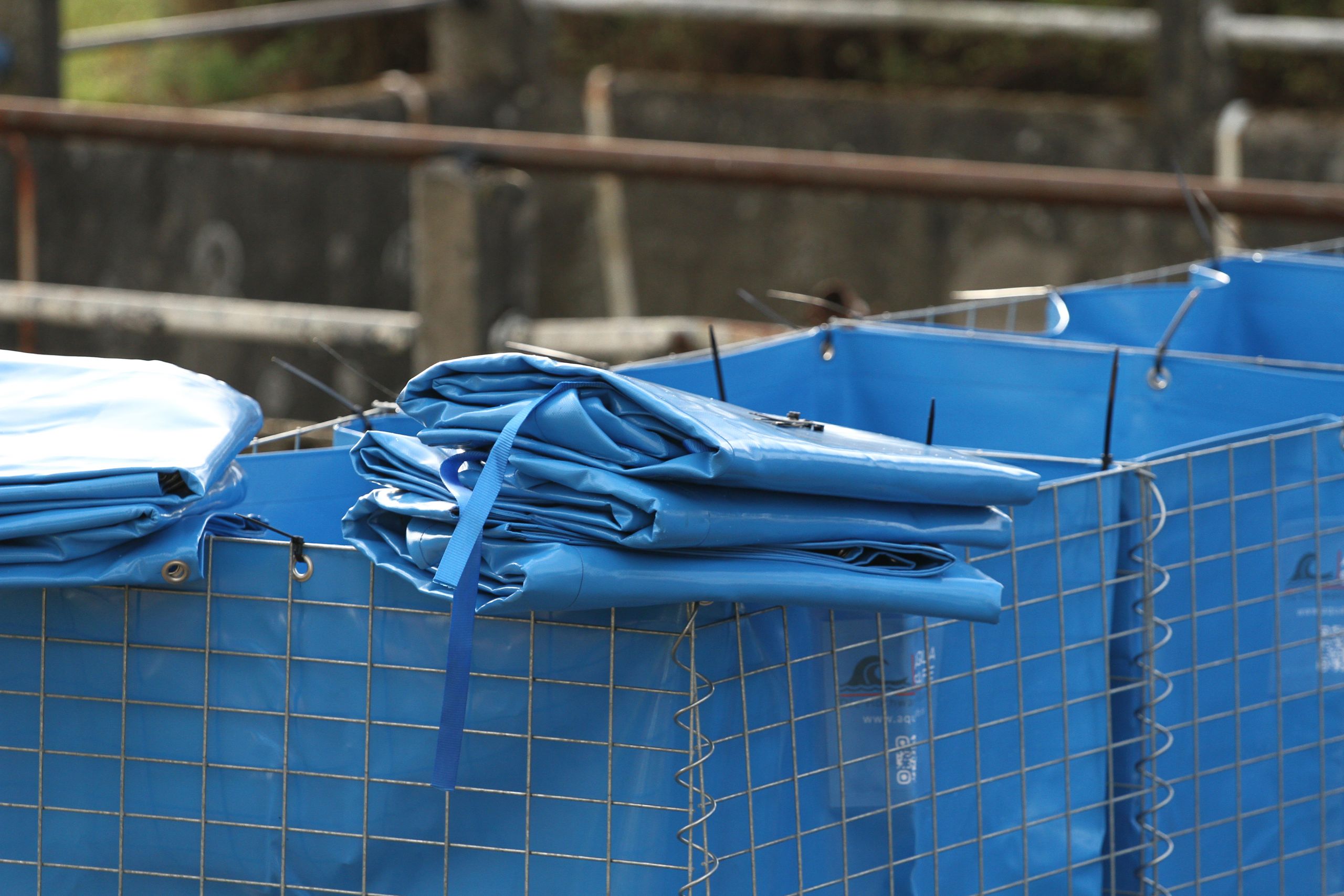
Traditional sandbags were long considered the standard in flood protection. However, mobile flood barriers such as AquaSafe are becoming increasingly important. Here is a comparison of the two methods that shows why modern systems offer a more sustainable and efficient solution.
1. set-up time and efficiency
Sandbags require a considerable amount of time and effort: filling with sand, transporting and stacking the bags is labor-intensive. In contrast, mobile flood barriers from AquaSafe can be erected in an hour by just six people. This saves valuable time, especially in emergency situations.
2. reusability and sustainability
Sandbags are usually disposable products that have to be disposed of after use. Mobile flood barriers are made of durable materials that can be cleaned and reused. This reduces waste and protects the environment.
3. cost factor
At first glance, sandbags appear to be cheaper. However, the disposal costs, the high workload and the need for large quantities make them expensive in the long term. Mobile flood barriers offer a more economical solution for companies and local authorities due to their reusability.
4. flexibility and mobility
AquaSafe barriers are easy to transport and can be used at different locations. A pallet with 50 meters of barriers can be easily stored and quickly made available when needed. Sandbags, on the other hand, require a lot of space and are difficult to move.
5. environmental aspects
After use, sandbags, often contaminated with mud or chemicals, have to be disposed of at great expense. Mobile flood barriers avoid this problem because they are made of robust, easy-to-clean materials.
Conclusion
Mobile flood barriers outperform sandbags in almost all aspects – from installation time and costs to sustainability. Companies and local authorities that think long-term are increasingly relying on modern systems such as AquaSafe to efficiently protect people, assets and infrastructure.